

 By
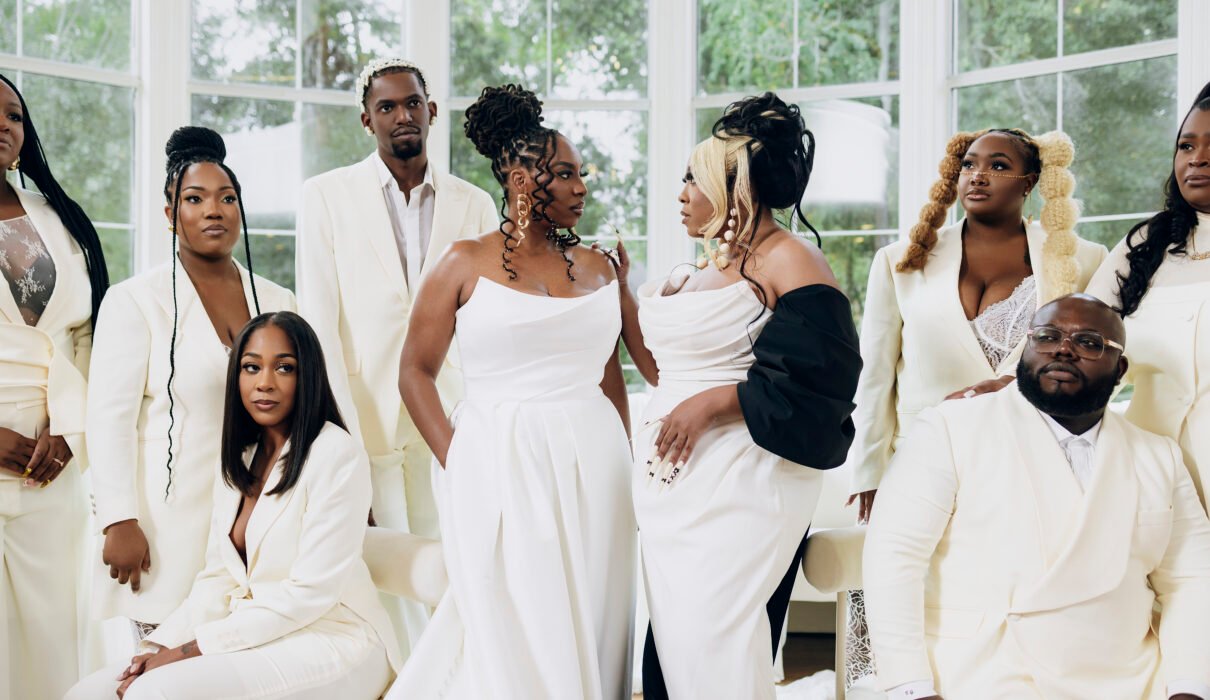
By Explore how Black queer women are reshaping the concept of marriage through personal narratives, community support, and intersectional activism.
Introduction to Love & Legacy in Marriage
The concept of marriage is undergoing a profound transformation, especially among Black queer women who are reshaping its definition to reflect their unique identities and experiences. Historically, marriage has been a space that often excluded marginalized voices; however, the narratives surrounding marriage are evolving to embrace diversity and inclusivity. For many Black queer women, the legalization of same-sex marriage in 2015 marked a pivotal moment, opening avenues to express love and commitment that resonate with their authentic selves. This exploration of marriage through the lenses of race, gender, and sexuality not only highlights their struggles but also celebrates their resilience.
Understanding the historical context of marriage within Black communities reveals that it has often been driven by social and economic survival, especially in the face of systemic oppression. The intricate tapestry of Black queer women’s experiences is woven from a legacy of familial expectations and cultural traditions that have shaped their relationships and views on marriage. As they navigate this landscape, they are not just participants in love stories; they are authors, crafting narratives that reflect their truths and aspirations.
Historical Context of Marriage for Black Queer Women
The marriage experiences of Black women have long been influenced by the dual forces of systemic racism and sexism. Within this framework, Black queer women often find themselves grappling with a complex legacy shaped by cultural traditions that may not fully embrace their identities. Historically, marriage rituals in Black communities have frequently excluded queer relationships, compelling individuals to establish new customs that affirm their identities and relationships.
As they navigate these challenges, many Black queer women are redefining what love and commitment mean, often at the intersection of their racial and sexual identities. This intersectionality complicates the traditional narrative of marriage, requiring a reevaluation of societal norms that may not serve them. For example, commitment ceremonies have emerged as meaningful alternatives, allowing couples to celebrate their love in ways that resonate with their unique identities, often in the face of societal exclusion.
Personal Stories and Experiences
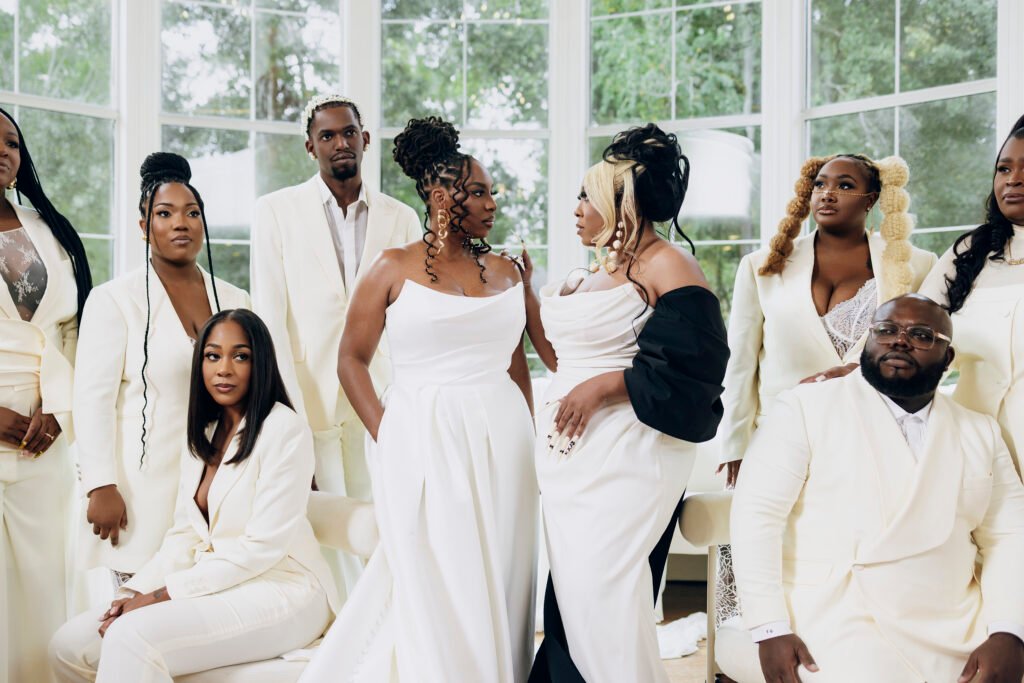
Personal narratives from Black queer women illuminate the transformative power of love as a form of resistance against systemic oppression. Love is not merely a private affair; it serves as a political statement that challenges societal norms. Many Black queer women choose to celebrate their relationships through commitment ceremonies, which allow them to publicly affirm their identities and the significance of chosen families. These ceremonies often become a platform for expressing love in a way that traditional marriage has historically failed to accommodate.
Through interviews and shared experiences, it becomes clear that communication and negotiation play pivotal roles in establishing their own definitions of marriage. For instance, couples report engaging in open dialogues about their relationship dynamics, fostering an environment where love is nurtured and celebrated. These personal stories not only reflect individual experiences but also resonate with the broader societal changes advocating for marriage equality and representation within the LGBTQ+ community.
Challenging Traditional Marriage Norms
Black queer women are actively challenging and redefining traditional marriage norms, creating their own rules around love, family structures, and relationships. By incorporating elements of polyamory and other non-traditional arrangements, they are expanding the definitions of marriage to include diverse interpretations that reflect their realities. This evolution is not merely about legal recognition; it is about prioritizing emotional connections and the significance of chosen families over conventional expectations.
Many couples emphasize the importance of de-sexualizing their relationships within family contexts, as they navigate societal perceptions and misconceptions about their identities. The emergence of alternative relationship models stands as a testament to their commitment to dismantling the patriarchal foundations that underpin traditional marriage. By embracing non-traditional arrangements, Black queer women are redefining marriage in ways that prioritize authenticity and emotional fulfillment.
Community and Support Systems
Community support is essential in the marriage journeys of Black queer women, providing crucial networks for resilience and empowerment. The concept of chosen family plays a significant role, allowing individuals to reclaim power and redefine their closest relationships in both legal and emotional contexts. Local organizations often serve as vital resources, offering advocacy and support tailored to the unique needs of Black queer women navigating marriage and relationships.
Intersectional activism fosters a sense of belonging and solidarity among Black queer women, enabling them to confront systemic injustices together. Support groups create safe spaces for sharing experiences and fostering understanding, reinforcing the idea that love and commitment thrive in an environment of community and acceptance. This collective support not only strengthens individual relationships but also contributes to the broader movement for LGBTQ+ rights and representation.
The Role of Intersectionality
Intersectionality is a critical lens through which to understand the unique challenges faced by Black queer women. The overlapping forces of homophobia, racism, and misogyny shape their experiences in romantic relationships, often leading to additional layers of discrimination. Personal love stories exemplify how intersectionality informs their identities, illustrating the complexities of navigating love and commitment within a society that may not fully accept them.
Understanding intersectionality is essential to grasp the nuanced experiences of Black queer women in marriage. The intersection of race and gender identity often complicates their rights to love and marry, necessitating a deeper examination of systemic inequalities that impact their lives. By highlighting these experiences, we can better understand the importance of advocating for inclusive definitions of love and marriage that reflect the diversity present within the LGBTQ+ community.
The Future of Marriage for Black Queer Women
As Black queer women continue to advocate for justice and liberation, their narratives play a vital role in the broader fight for equality in marriage. Celebrating their achievements and unique perspectives contributes to a more inclusive discourse on love and legacy. Recognizing and validating diverse expressions of love within marginalized communities is crucial for future advocacy efforts aimed at dismantling oppressive systems.
The ongoing struggle for LGBTQ+ rights remains essential to ensuring that all expressions of love are recognized and celebrated. As societal norms evolve, Black queer women will undoubtedly play a pivotal role in shaping the future of marriage and family structures, advocating for a more inclusive understanding of love that transcends traditional boundaries. Their contributions not only enrich the fabric of marriage but also inspire future generations to embrace love as a powerful form of resistance against injustice.